When 24% of Americans take prescription pills every day, you need to know where to get your medicines. People often think drugstores and pharmacies are the same thing. They're not. This matters when you need help with your health.
We've worked in our pharmacy for years, and we can't tell you how many times people walk into a regular drugstore expecting to fill their prescription. Then they find out there's no pharmacist there. It's frustrating when you're sick and need your medicine right away.
Let us explain what makes these places different. Once you know, you'll never waste a trip again. You'll know exactly where to go whether you need prescription medicine or just some cough drops.
Is a Pharmacy the same as a Drugstore?
No, they're really not the same at all. A pharmacy has a trained pharmacist who went to school for years to learn about medicines. They're the only ones allowed to give you prescription drugs. A drugstore is just a store that sells health stuff like bandages and vitamins.
Think of it this way - every pharmacy is a drugstore, but not every drugstore is a pharmacy. It's like how every square is a rectangle, but not every rectangle is a square. Kids understood it better when explained it that way.
Here's what you need to remember:
• Pharmacies always have a pharmacist working there
• Drugstores without pharmacies can only sell stuff you don't need a prescription for
• Pharmacies can give you strong medicines that drugstores can't
• Pharmacists can answer questions about your medicines
When someone has strep throat and needs antibiotics, a pharmacy is essential. But for minor cuts or scrapes, a drugstore usually has the Band-Aids and basic supplies needed.
What Services Does a Licensed Pharmacy Provide?
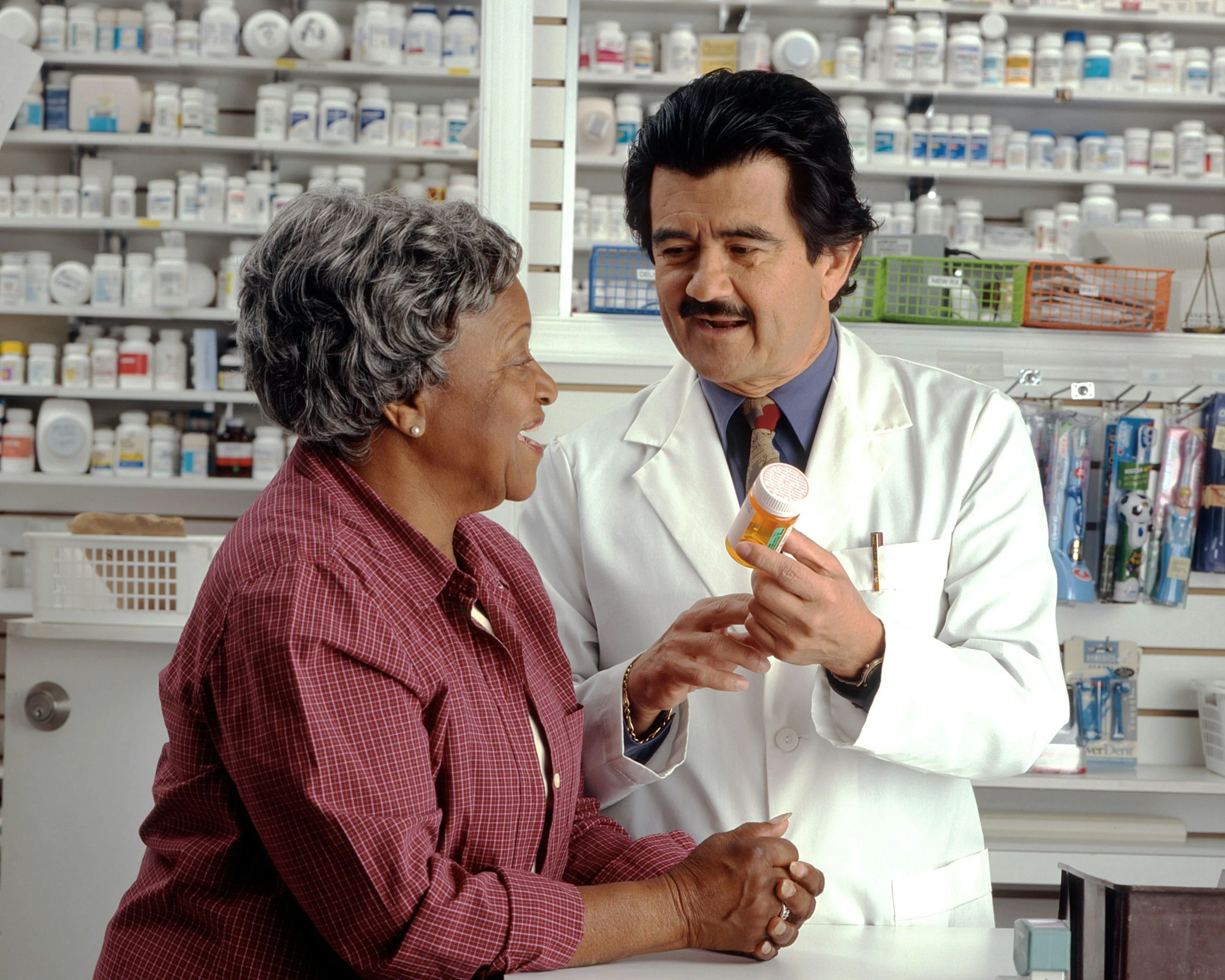
A real pharmacy does more than just hand out pills. Pharmacists check every prescription to ensure it's safe and appropriate. They've caught serious errors that could have led to hospital visits. That’s why trained pharmacists—not just cashiers—are essential to your healthcare.
Here's what we do for you at a pharmacy:
• Fill your prescriptions after calling your doctor to check them
• Tell you how to take your medicine safely (this is super important!)
• Give you shots like flu vaccines right in the store
• Handle those tricky insurance problems that give everyone headaches
• Mix special medicines when you need something specific
• Check your blood pressure for free
• Set up all your pills to refill on the same day (this saves so many trips!)
Pharmacists do more than fill prescriptions—they guide patients through safe medication use. A typical consultation takes about 15 minutes and covers when to take the medicine, what foods to avoid, and possible side effects. One patient even discovered that his new prescription could dangerously interact with his morning grapefruit juice—something he wouldn’t have known without that conversation.
Behind the scenes, pharmacists also navigate insurance hurdles. It’s not uncommon to spend hours securing approvals or finding discount programs when coverage falls short. These efforts happen daily, so patients can focus on getting better—not battling red tape.
What Can You Buy at a Drugstore Without a Pharmacy?
Regular drugstores still help with lots of health needs. You can get medicine for small problems without seeing a doctor. These stores are great when you just need something quick.
Common over-the-counter medications available at any drugstore:
Pain Relief Tylenol, Advil, aspirin, muscle rubs
Cold & Flu Cough medicine, decongestants, throat drops
Stomach Problems Tums, medicine for diarrhea or constipation
Allergies Benadryl, Claritin, allergy eye drops
Cuts and Scrapes Band-Aids, Neosporin, gauze, tape
Vitamins Vitamin D, vitamin C, multivitamins
You'll also find toothpaste, shampoo, diapers, and all that everyday stuff. But here's what drugstores CAN'T do - they can't give you antibiotics for your kid's ear infection. They can't give you blood pressure medicine. And those strong cold medicines with pseudoephedrine? Even drugstores have to keep those behind the counter. You need to show your ID to buy them.
How to Identify a Full-Service Pharmacy vs Basic Drugstore
Want to know if a place is a real pharmacy? It takes five seconds to check.
Look for these three things:
An "Rx" sign on the building or window
Posted hours showing when the pharmacist works
A separate counter just for prescriptions
If you see all three, you've found a real pharmacy. If not, keep driving.
More ways to check:
• Real pharmacies have their license on the wall (usually near the prescription counter)
• They advertise flu shots and vaccines
• There's a private spot to talk to the pharmacist
• They can transfer prescriptions from other pharmacies
Big stores can be confusing. CVS and Walgreens have pharmacies inside. Dollar General doesn't - they just sell basic stuff. Some grocery stores have pharmacies, but not all of them do. When in doubt, just call and ask "Do you have a pharmacist there today?"
Here's a tip we give to everyone: Save the phone number of a real pharmacy in your phone right now. When you're sick, you don't want to be searching for one.
Medical Clinic Pharmacy combines both—we're your full-service pharmacy with all the drugstore essentials you need. We're here all day to answer your questions. Even if it seems like a silly question, please ask. We'd rather answer a hundred "silly" questions than have someone take their medicine wrong.
When You Need a Pharmacy vs When a Drugstore Works
Knowing where to go saves you time and stress. We've seen too many sick people show up at drugstores that can't help them. Let us make this super simple for you:
You have a prescription from your doctor → Go to a pharmacy → Only licensed pharmacists can fill prescriptions.
You need antibiotics → Go to a pharmacy → Antibiotics require a valid prescription.
You want a flu shot → Go to a pharmacy → Vaccines must be administered by a trained pharmacist.
You have a headache and need relief → Any drugstore works → Tylenol and similar meds are sold over the counter.
You need Band-Aids or first aid supplies → Any drugstore works → These are basic, non-prescription items.
You take blood pressure medication → Go to a pharmacy → These medications require a prescription.
You’re shopping for vitamins → Any drugstore works → No prescription needed for supplements.
You need diabetes supplies → Go to a pharmacy → Pharmacies offer the best selection and expert guidance.
You have pink eye and need drops → Go to a pharmacy → Most effective treatments require a prescription.
You need allergy pills like Claritin → Any drugstore works → Many allergy meds are available over the counter.
What if you need a prescription and don't know where to go? Not every place that sells medicine can fill prescriptions. Drugstores carry over-the-counter items, but only licensed pharmacies handle prescribed medications. In a moment of uncertainty—whether it’s a sudden illness or a new diagnosis—you need to know which nearby locations offer full pharmacy services. Don’t wait until it’s urgent. Make a list now.
Here's our advice: Know which pharmacies near you stay open late. Write down their hours. Keep the list on your fridge. Emergencies don't wait for business hours.
Final Thoughts
After years behind the pharmacy counter, we've learned that people just want to feel better without the runaround. Know the difference between a pharmacy and drugstore, and you'll get what you need faster.
Remember - if you need prescription medicine, you need a pharmacy. If you just need basic health supplies, any drugstore works. When in doubt, call ahead and ask.
At Medical Clinic Pharmacy, we're both a pharmacy and drugstore. We fill your prescriptions and have all the everyday health items too. Bring us your prescriptions and see why Caldwell families trust us with their health for many years.
Stay healthy, Caldwell!
Quisque iaculis facilisis lacinia. Mauris euismod pellentesque tellus sit amet mollis.